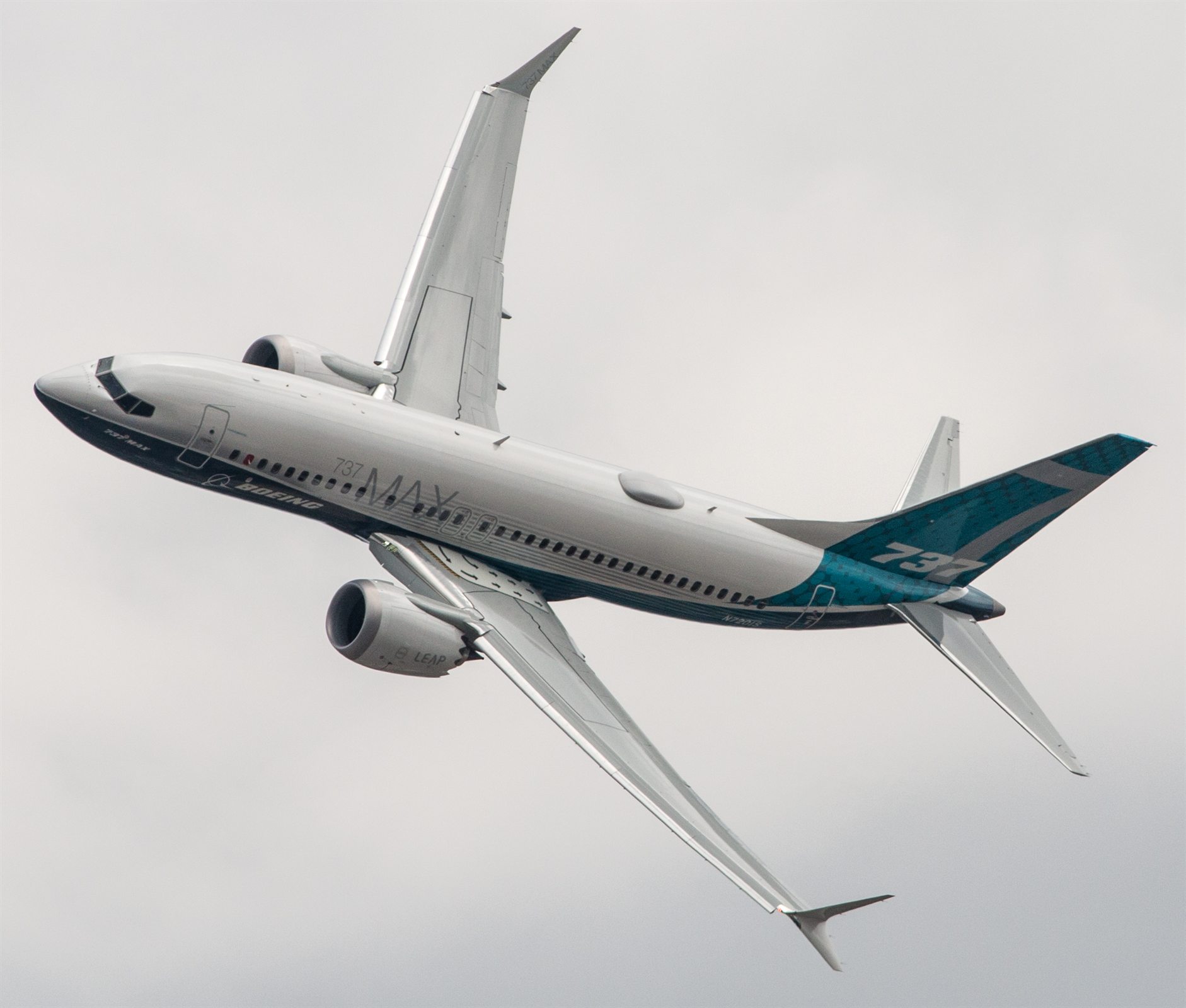
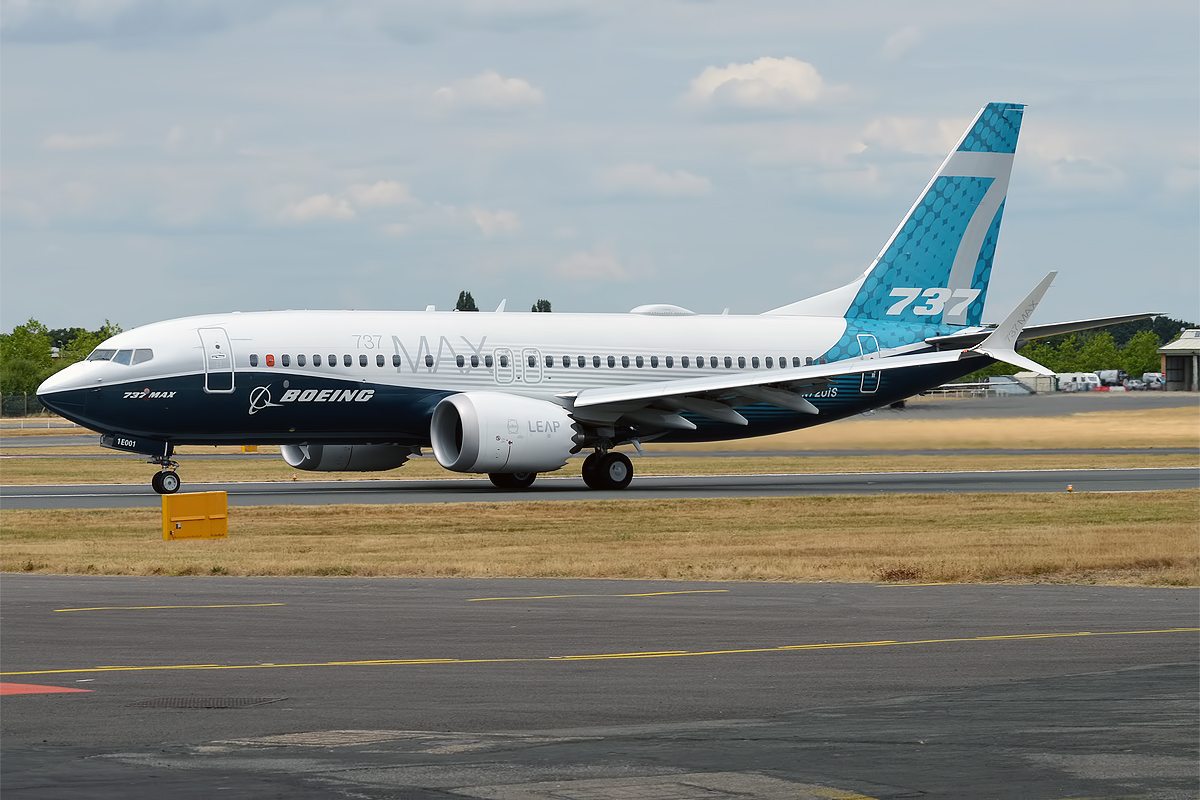
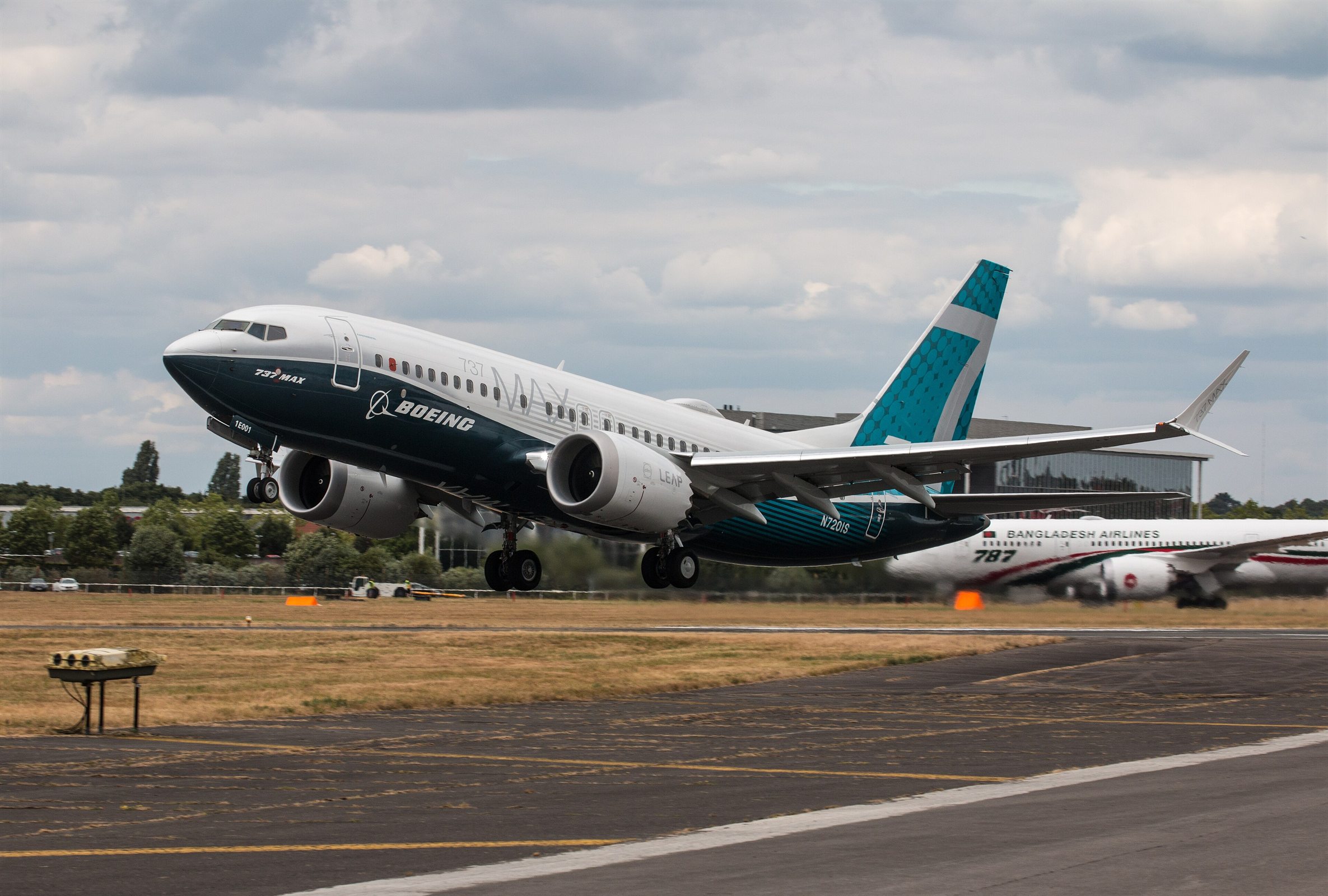
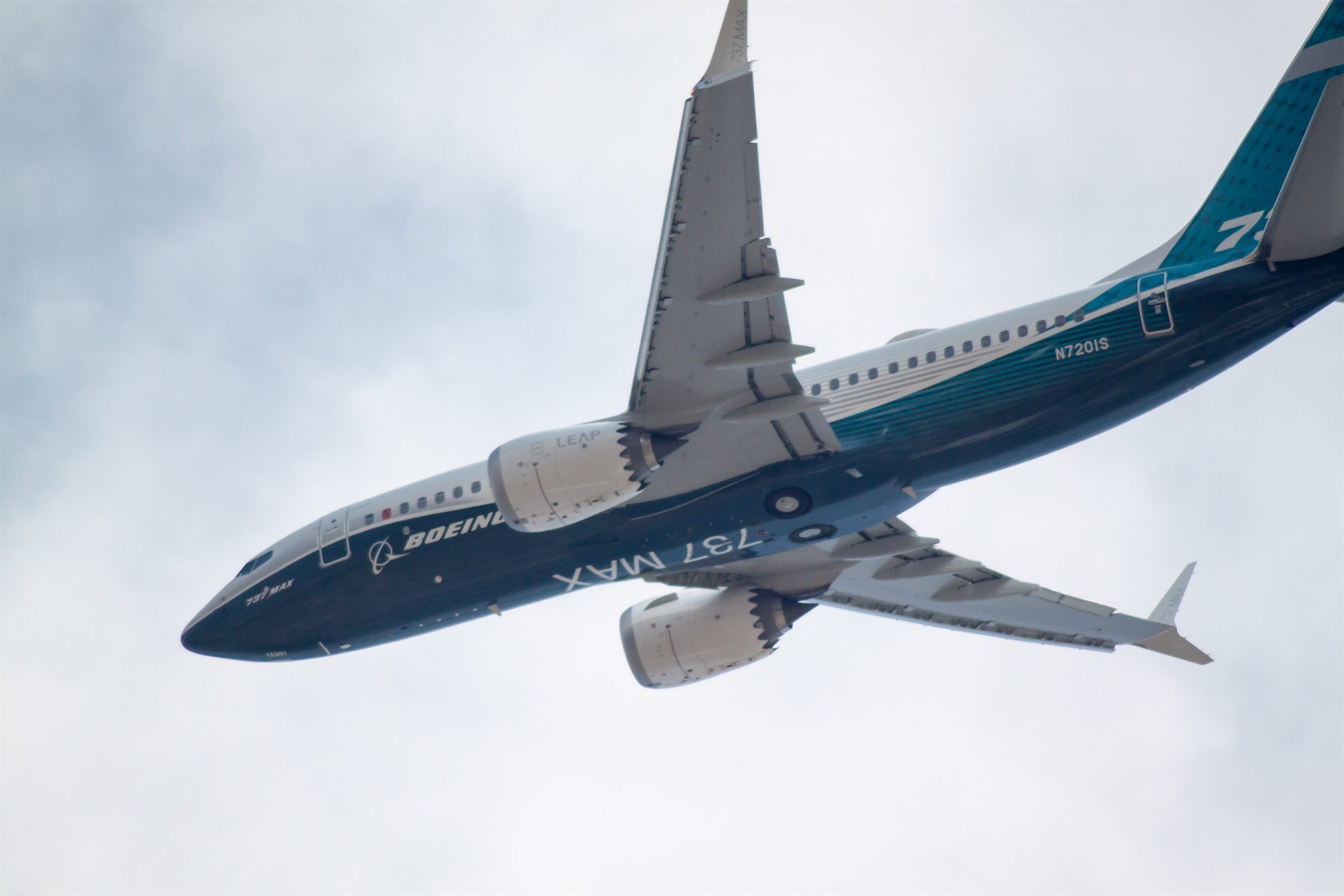
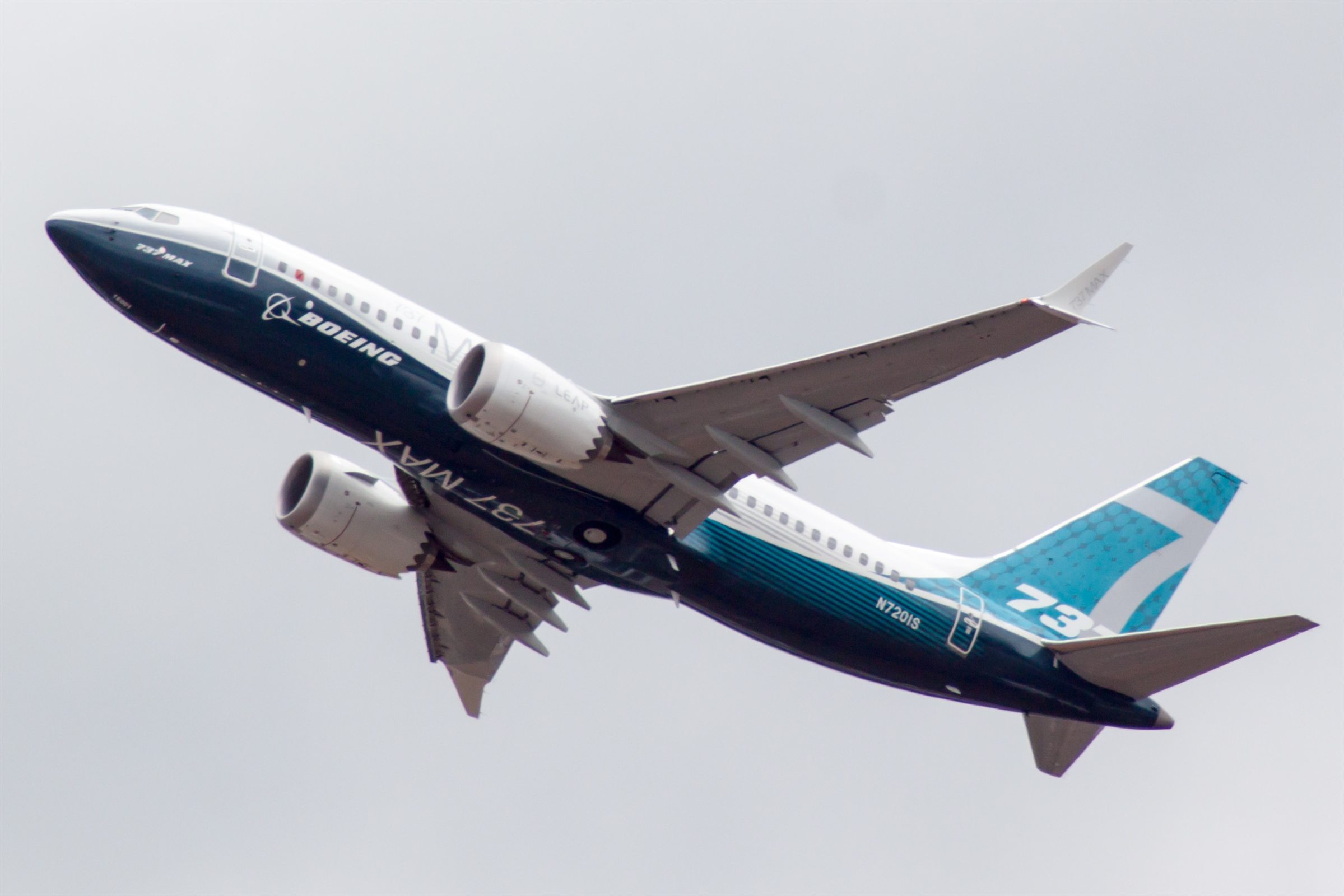

Long enough to connect most domestic, Caribbean, Mexico, and many northern South America markets from central U.S. focus cities.
Fleet Economics
Lower trip pressure for smaller markets.
The MAX 7 is compelling because it gives operators a compact narrowbody with MAX-family systems and range. That can make frequency, network depth, and route experimentation more realistic when a larger jet would add too much capacity.
A smaller MAX that keeps training, cockpit procedures, parts planning, and scheduling closer to the rest of a 737 operation.
Designed for routes where MAX-family efficiency matters but MAX 8 capacity can be more seats than the schedule can profitably fill.
The smaller frame can be useful where runway, payload, or performance margins shape the aircraft choice.
Operator Angle
Why a smaller MAX can still matter in a big fleet.
Airlines do not just buy range or seat count. They buy schedule flexibility, dispatch familiarity, airport access, crew planning simplicity, and the ability to match capacity to demand. The MAX 7 sits in that conversation as a specialized aircraft: not the biggest narrowbody, but potentially one of the more precise tools for a focused route.
Boeing has described the 737-7 as the longest-range aircraft in its class, with up to 3,800 nautical miles of range and up to 172 passengers. Boeing source